

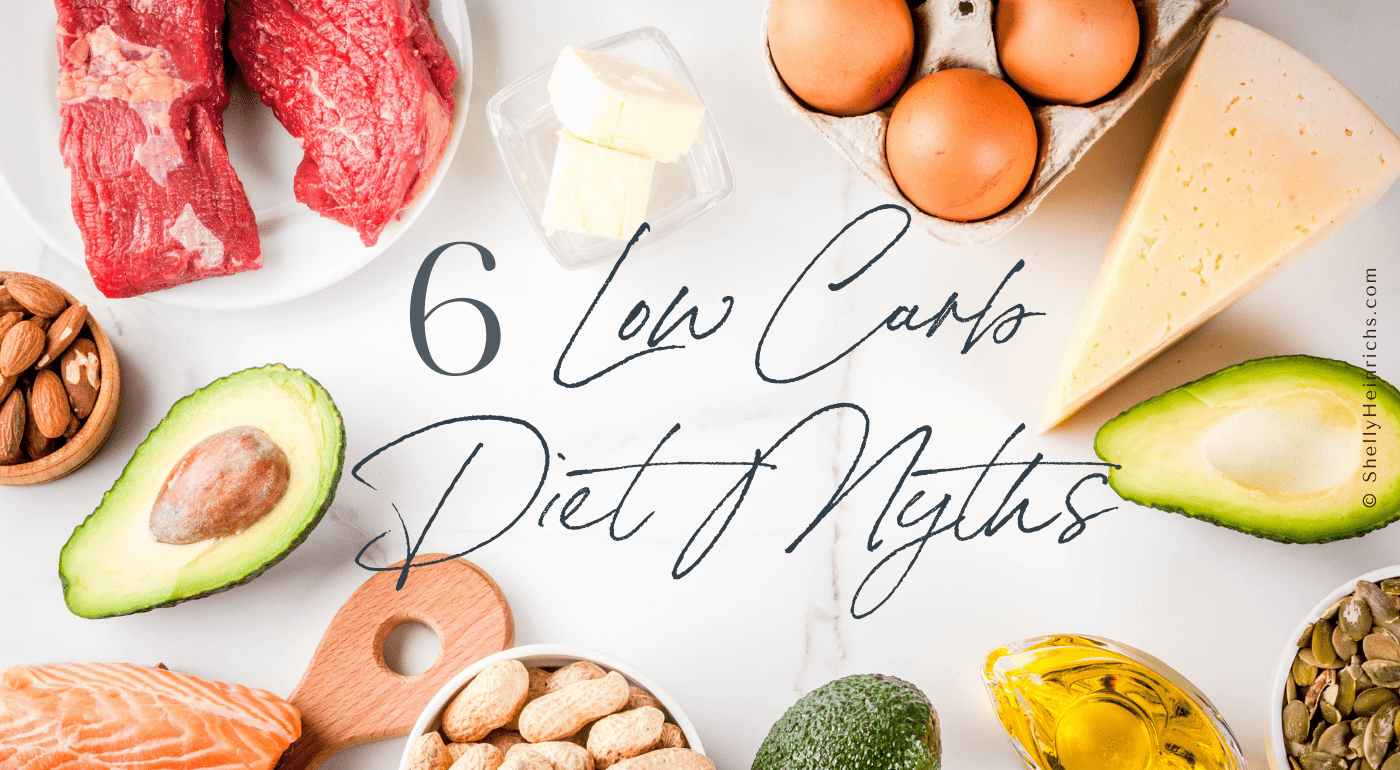
Low Carb Diet Myths – Really?
Today I want to talk about some low carb diet myths that are just not true! When people are eating donuts and coffee for breakfast, drive thru fast food for lunch and a take-out pizza for dinner, no one says a word. Start eating healthy proteins and a big salad with some berries and everyone loses their mind! When you look at the studies being done that say this way of eating isn’t healthy, you most likely find the study was funded by some processed food manufacturer. The have their big fat profits to lose by admitting their packaged junk is not good for us. Let’s get one thing straight today – real whole food IS healthy!
Myth #1: A Low Carb Diet is Unhealthy
A low carb diet often gets a bad rap for being unhealthy, but it’s important to distinguish between various types of carbohydrates. The truth is, not all carbs are created equal. While consuming highly refined carbs like white bread and sugary snacks can contribute to health issues, low carb diets focus on reducing these types of carbs. The emphasis is on nutrient-dense, whole foods that provide essential vitamins and minerals. By choosing the right carbs, individuals on a low carb diet can maintain good health and can actually reverse many metabolic health conditions.
Myth #2: Low Carb Diets are Too Restrictive
One common myth is that low carb diets are too restrictive, making it challenging to enjoy a variety of foods. In reality, a well formulated low carb lifestyle encourages a diverse range of vegetables, healthy fats, and protein sources. There are countless delicious recipes that fit within a low carb lifestyle, providing a satisfying and varied dining experience. It’s not about deprivation but rather about making mindful choices that align with health goals and… you get to eat until you feel full!
Myth #3: The Difference Between “Good” and “Bad” Carbs
Understanding the distinction between “good” and “bad” carbs is essential for making informed dietary choices. And while I don’t like to label foods good or bad, there are some foods that don’t promote health and are lacking in nutrients. “Bad” carbs refer to highly refined and processed carbohydrates found in sugary foods and white flour products. These can lead to spikes in blood sugar levels and contribute to weight gain. On the other hand, “good” carbs come from whole, unprocessed sources like vegetables, fruits, and whole grains. These provide essential nutrients, fiber, and a slower release of energy, supporting overall health and weight management.
Myth #4: Low Carb = No Fiber
Fiber is a key component of a well-rounded low carb eating plan. It plays a crucial role in digestive health and our microbiome. Many assume that low carb diets lack fiber because they limit or remove certain grains and high-carb foods. However, there are abundant fiber sources in low carb foods, such as leafy greens, nuts, seeds, and low-carb vegetables. Adequate fiber intake supports digestion, helps control blood sugar levels, and contributes to a feeling of fullness, making it an essential part of a balanced low carb diet. The fiber in these foods support a healthy microbiome so be sure to include them in your low carb or keto diet.
Myth #5: Long-Term Effects of Low Carb
Many think that significantly reducing or eliminating carbohydrates will lead to nutrient deficiencies over the long term. However, with proper planning and good food choices, individuals on a low carb diet will meet all of their nutritional needs. Including a variety of vegetables, animal proteins, and healthy fats ensures a well-rounded nutrient intake. Additionally, supplements can address specific concerns, ensuring that individuals maintain optimal health on a low carb plan. Supplements shouldn’t be your go-to, whole foods are the place to start. I don’t recommend taking a bunch of supplements just because.
Myth #6: Low Carb Harms Heart Health
There’s a misconception that the higher fat content in low carb diets negatively impacts heart health. Many studies suggest that low carb diets can improve heart health markers, including reducing triglycerides and increasing “good” HDL cholesterol. Choosing heart-healthy fats, such as those found in avocados and olive oil, is a key aspect of a balanced low carb approach. Choosing a variety of healthy fats is beneficial in heart health as well as brain health.
So, there you have it, the top low carb or keto diet myths debunked! I often see people trying to do a low carb or keto diet with all packaged “keto” foods or shakes. These should not be a staple in your everyday diet. By consuming whole foods most of the time, you’ll give your body the nutrients it needs to thrive! You’ll also support your hormones so you can keep your blood sugar from riding that roller coaster.
0 Comments