

Why Gut Health Matters on a Keto Journey
Ever feel like your stomach isn’t on board with your diet? You’re not alone. Many of us focus on weight loss and blood sugar when we start keto, but gut health often gets overlooked. Yet, a happy gut can make all the difference in your energy, mood, and even your results on keto.
Gut health is more than just digestion—it’s about balancing the trillions of good bacteria that live in your digestive system, your microbiome. A balanced microbiome supports your body’s defenses, your mood, and even helps you get better results from your low-carb journey. And here’s the best part: you don’t have to compromise keto to take care of your gut—it’s all about making the right choices
Understanding Gut Health and the Microbiome
What is the Microbiome?
Think of your gut microbiome as a bustling city of bacteria, all working together to keep you feeling your best. These “good bugs” thrive when you feed them the right foods, and they help your body in countless ways, from digesting food to keeping your immune system strong.
The Link Between Gut Health and Overall Wellness
Gut health affects immunity, mood, and metabolism. When your gut bacteria are balanced, you’re more likely to feel energized, maintain a stable mood, and keep your digestion on track. Imagine your gut as the soil in a garden—the healthier it is, the better everything grows.
Why Gut Health Can Be Tricky on Keto
One challenge with keto is fiber intake. Since fiber comes mainly from plant foods, which often have carbs, it’s easy to miss out on this essential nutrient. But don’t worry! You can stay keto-friendly while giving your gut the fiber and nutrients it needs to thrive.
Common Missteps for Gut Health on Keto
Low Fiber Intake
Fiber is like fuel for your good bacteria. Without it, your gut bacteria miss out on their favourite snack. It’s all about choosing non-starchy, high-fiber veggies that don’t interfere with your carb count.
Too Many Processed Foods
While keto-friendly processed foods like bars or shakes can be convenient, they often contain preservatives and artificial ingredients that can harm your gut. The closer to nature, the better your body will feel.
Neglecting Variety
Variety in food choices encourages a diverse microbiome, which is essential for gut health. Think of it as giving your gut bugs a taste of different flavours—they thrive on diversity.
My Own Gut Health Journey From Long-Term Antibiotics
I understand firsthand how important gut health can be, especially on a healing journey. For over 14 years, I took doxycycline (an antibiotic) daily to manage my rosacea, an autoimmune condition rooted in gut health. It was effective for a time, but eventually, my body started to resist it, and my symptoms worsened, especially in and around my eyes.
It was clear that something had to change. I needed to get off the antibiotics, but my body didn’t respond well at first. After trying to stop doxycycline, my eyes became sore and crusty, and I felt I had hit a wall. That’s when I decided to take matters into my own hands—gently and naturally.
I began adding 2 ounces of homemade kefir to my dinner and 2 tablespoons of sauerkraut to my lunch each day. Eventually, I started making my own yogurt, which became another staple in my routine. As I introduced these probiotic-rich foods, I began tapering off the doxycycline with my doctor’s guidance. The journey wasn’t instant, but gradually, I was able to stop the antibiotic completely.
It’s been over a year now without doxycycline, and recently, after a UTI required another round of antibiotics, I doubled up on my daily intake of probiotic foods. By doing this, I managed to prevent any rosacea flare-ups altogether—a huge win in my book!
Nurturing Your Gut on a Keto Diet—Practical Tips
- Load Up on Non-Starchy Vegetables
Leafy greens, broccoli, asparagus, and Brussels sprouts are all low in carbs but high in fiber and nutrients. These veggies don’t just nourish you—they’re a feast for your gut bacteria, too. - Include Fermented Foods
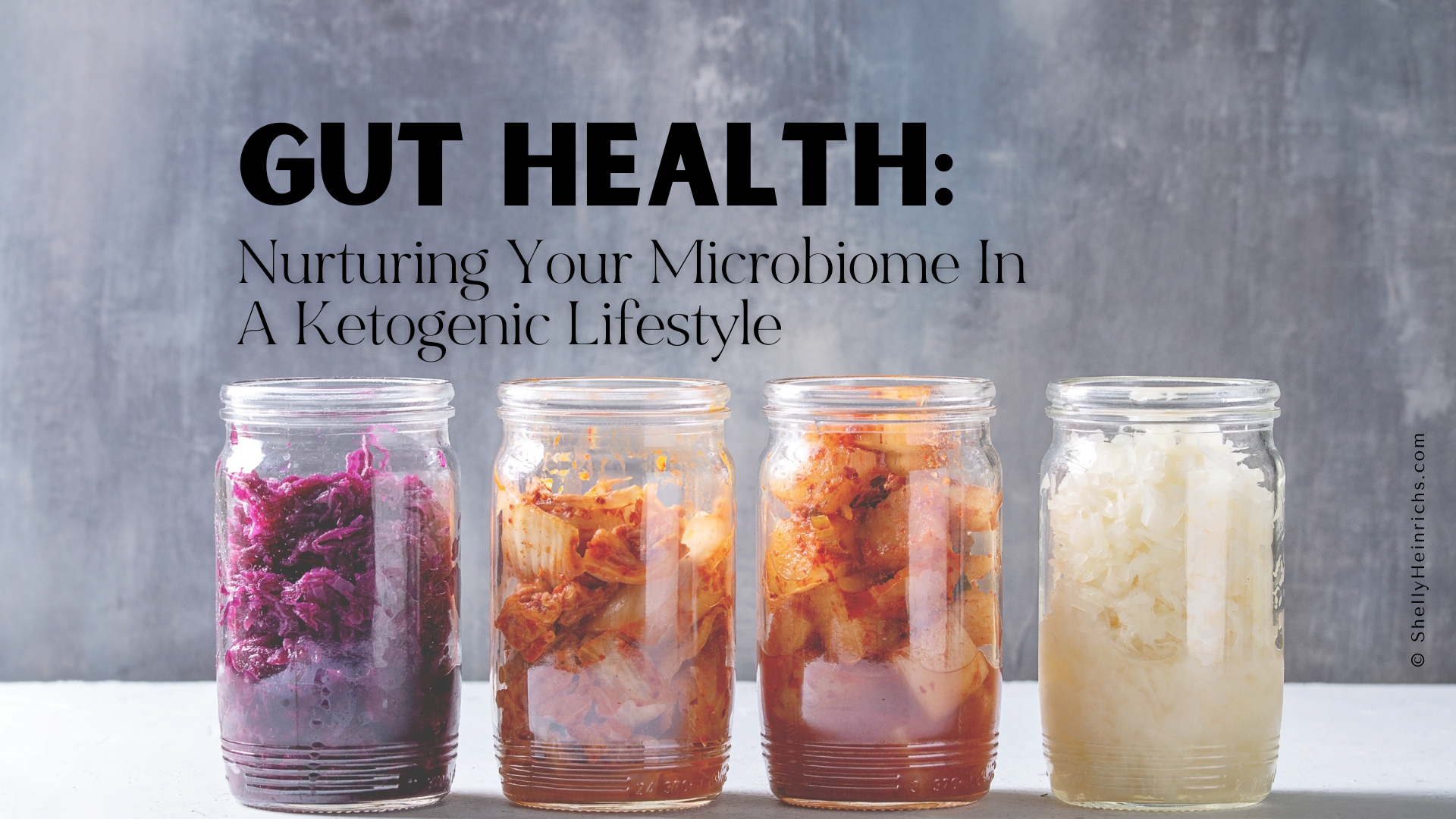
Fermented foods like sauerkraut, kimchi, and pickles are rich in probiotics. Adding a bit of fermented food to your plate daily can give your gut a boost without disrupting your low-carb goals. - Choose Healthy Fats
Adding anti-inflammatory fats like olive oil, coconut oil, and avocado oil supports your gut lining and overall digestive health. Healthy fats keep things running smoothly, like oil in a well-tuned engine. - Consider Prebiotic Fiber
Prebiotic foods are essential for feeding the good bacteria in your gut. Small amounts of keto-friendly, prebiotic-rich foods like garlic, leeks, and onions can support gut health. Try incorporating them in meals for an added boost. - Stay Hydrated
Water is essential for digestion. Staying hydrated keeps everything moving smoothly, which is key for gut health, especially on keto.
Managing Setbacks and Adjusting When Needed
Remember, if you experience bloating or discomfort, it’s not a failure—it’s feedback. Your body is wise, and it’s letting you know that something might need adjusting. Instead of seeing this as a setback, use it as a guide. Your body is unique, and it’s okay to tweak things based on what feels right for you.
Embracing a Gut-Healthy Keto Lifestyle—Progress Over Perfection
Gut health is a journey, not a sprint. Small changes add up over time, and every step you take to care for your gut supports your whole body. Keep listening, adjusting, and trusting that even little tweaks lead to lasting health.
A happy gut makes for a happy you. Every extra veggie, every sip of water, and every choice toward gut health is a step in the right direction. Celebrate those wins, no matter how small, and know that you’re building a gut-friendly keto lifestyle that’s balanced, sustainable, and supports your long-term health.
0 Comments