

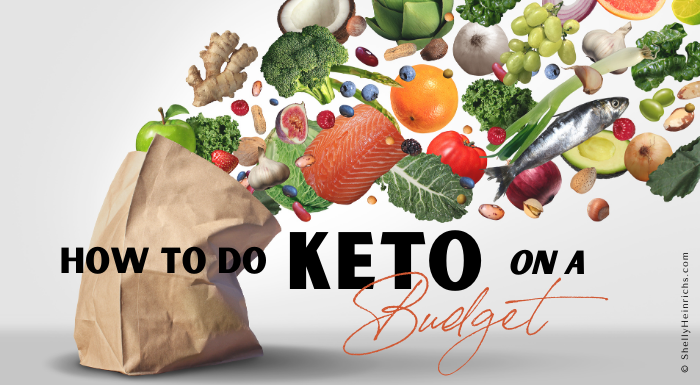
Keto On A Budget – Saving Money?
With Inflation skyrocketing all around us, doing keto on a budget can seem overwhelming. Many assume that a ketogenic diet equates an increase in your grocery bill, however the reality is quite the contrary. Keto, at its core, is a whole foods diet, emphasizing nutrient-dense, unprocessed foods that not only support weight loss but also offer greater nutritional value. By skipping highly processed, carb-heavy products, you not only consume fewer, more satisfying meals but also avoid the premium price tag attached to these nutrient-poor options. The real beauty of keto lies in its simplicity—eating foods that are rich in healthy fats and proteins will lead to natural appetite control, meaning you eat less overall. This shift not only leads to weight loss but also translates into savings, debunking the myth that healthy eating is prohibitively expensive. Embracing keto is about making smart, informed choices that benefit both your waistline and wallet, proving that a diet rich in whole foods is not only attainable but also budget friendly.
Transitioning Your Pantry to Keto
Embracing a ketogenic lifestyle starts with cleaning out your pantry by removing high-carb temptations like sugary snacks, breads, cereals, and pasta, and replace them with keto staples such as nuts, seeds, healthy oils (like olive, avocado, and coconut oil), pork rinds etc. Swap wheat flours for almond and coconut flours for baking, and ensure you have a variety of spices and herbs to add flavour without the carbs. Proteins like canned tuna, salmon, and sardines are excellent shelf-stable options, alongside a selection of eggs, fresh meats, hard cheeses, and some low carb veggies for refrigerated staples. By methodically replacing high-carb items with nutrient-dense, keto-friendly alternatives, you’ll create an environment that supports your low-carb journey, making it easier to stick to your dietary goals and manage your budget effectively. This pantry transition is not just about removing foods, it’s also an opportunity to explore new tastes and textures, ensuring your keto journey is both delicious and sustainable. All those foods that were “off limits” when you were following that low-fat diet, are now back on the table … literally!
Plan Your Meals
Meal planning is important for keto success, especially when budgeting. Start by checking which ingredients you already have, then build your meal plan around them. Use weekly sales flyers to find deals on keto-friendly foods. By planning ahead and using a shopping list, you can avoid impulse buys and reduce waste, saving money in the long run.
Take a few minutes to create a rough meal plan for the week. Take into consideration what days you have limited time or days you may not be eating at home. Plan to make meals that fit your schedule and make sure you allow time to prepare them. Pick a day when you have time – usually the weekend and do some of the prep for the meals you choose. Cut up veggies, pre-cook your protein, every little bit you can do when you aren’t time-crunched helps. I always cook up some hard-boiled eggs, a couple packages of bacon and we usually grill some chicken or beef to add-in through the week. Fajitas become super simple if all you need to do is toss the veggies in the pan, then add cooked chicken and spices! Dinner in under 10 minutes on a busy weeknight. This can also be prepared, portioned and frozen for lunches or a quick meal.
Keto on a Budget = Weekly Flyer Deals
Check the grocery flyers in your area. If your stores are close together, shop the deals at each store. Plan your meals around what is on sale that week. If you have a freezer and there is a sale on protein, stock up and portion it out for the freezer. Often stores have better pricing on bulk packs verses the smaller one-meal size package. You can often find close-dated meats that are significantly marked down and can go straight into the freezer.
Economical Protein Sources
Check out less commonly sought-after cuts of meat, which are often cheaper. For example, chicken legs, pork shoulder, or beef brisket can be more affordable and flavourful, perfect for slow-cooked meals. Chicken thighs with the skin-on, bone-in are another less expensive cut. I cook the meat, debone, and save those bones and cartilage for bone broth. Just toss them into a bag and put into the freezer until I have enough to make a batch of bone broth. Ground beef, pork, or turkey are often less expensive than their steak or fillet counterparts. They’re great for making meatballs, burgers, or mixing into low-carb casseroles and stir-fries.
Eggs are dubbed as one of nature’s perfect foods and are a powerhouse of nutrients and one of the cheapest protein sources available. They are versatile, can be prepared in various ways (boiled, scrambled, omelettes, quiche, hard boiled), and are perfect for any meal. I eat eggs pretty much daily in either an omelette or just scrambled eggs.
Canned fish is also a great pantry staple to have on hand. While we prefer fresh or frozen, canned fish like tuna, sardines, and mackerel can be budget-friendly options for quick, protein-rich meals. Opt for those canned in water or olive oil to avoid unhealthy additives. Choose wild over farmed fish if your budget allows.
Buy in Bulk
Purchasing staples like nuts, seeds, and healthy oils in a larger package size can lead to significant savings. Look for bulk sections in grocery stores or shop at warehouse clubs. Remember to store nuts and seeds in the freezer. I keep a smaller portion in the fridge – we use one of the two crisper drawers for nuts!
Keto on a Budget = Shop Seasonally and Locally
Seasonal produce not only tastes better but is also more affordable. Farmers’ markets and local produce stands often offer competitive prices for fresh, nutrient-rich vegetables and fruits. Supporting local agriculture can lead to better deals and fresher food on your table. You can also search online for your area and seasonal chart so you can buy what’s at its peak and will be the most economical because there is an abundance.
If you’ve ever thought about gardening and preserving your own food, go for it! I’m an avid gardener and love being able to step out into the back yard and pick lettuce or fresh herbs for dinner. And if you go there, you may want to give fermenting a try! Fermented foods are excellent to support your gut microbiome.
Frozen Foods
Frozen vegetables and fruits are often more affordable than their fresh counterparts, especially when out of season. They provide a convenient way to have a variety of produce on hand without the worry of rapid spoilage. Freezing preserves the nutritional value of produce. Frozen items are usually picked at peak ripeness and flash-frozen, which locks in vitamins and minerals.
Not all frozen foods are created equal. Choose options without added sugars, sauces, or seasonings to stay in line with your keto diet. Look for single-ingredient items, like frozen broccoli, spinach, or berries. Frozen vegetables can be used in a variety of dishes, from stir-fries to soups, while frozen berries are great for smoothies or as a topping for keto-friendly Greek yogurt.
Keto on a Budget = Cooking at Home
Preparing your meals at home makes keto on a budget significantly easier than eating out. Home cooking allows you to control your ingredients, avoid hidden carbs and inflammatory seed oils, and save a lot of money. Invest time in preparing larger meals that can provide leftovers, reducing the need for snacking. Doubling a recipe takes very little extra time than the single recipe.
Restaurants often charge a premium for keto-friendly dishes, and these meals can still contain hidden sugars or unhealthy fats. One of my local restaurants charges $4 more to have your burger bun less and on lettuce instead. Cooking at home ensures that your meals align with good keto guidelines.
Learn the art of storing and repurposing leftovers. For example, a large roast can be used for dinner, then the leftovers can become part of a salad or stew in the following days. Grilling a bunch of chicken can be used in a salad, stir-fry, or tacos. So many options!
Focus on recipes with few ingredients that are quick and easy to prepare. Dishes like one-pan chicken and vegetables, egg casseroles, or beef stir-fry provide nutritious meals without complex cooking techniques. Even if you have limited cooking skills, you can simply cook a piece of protein and add mixed greens with a drizzle of olive oil and vinegar for an easy meal.
Broaden your cooking skills with techniques like roasting, slow cooking, and grilling. These methods bring out the flavor in basic ingredients and can transform inexpensive cuts of meat into delicious meals. Take your time to learn, there is no rush.
Take Advantage of Social Media!
Utilize free resources like Pinterest to find cooking blogs, YouTube channels, and podcasts to learn new keto recipes and cooking tips. This knowledge can make home cooking more enjoyable and less daunting.Home cooking is a cornerstone of a budget-friendly ketogenic lifestyle. It not only saves money but also ensures that you stick to your dietary goals. With the right approach and a bit of planning, you can make delicious, keto-friendly meals that won’t break the bank.
Limit Specialty Keto Products
While convenient, specialty keto products can be pricey, often full of unwanted ingredients and not conducive to keto on a budget. Take for example the plethora of low carb tortillas. All the ones I see available here in Canada are made with wheat and it’s inflammatory. The keto diet is no sugar, no grains but most people don’t read the ingredients or don’t think it matters, but it does. Focus on whole foods, which are often more affordable and healthier. Experiment with homemade keto recipes to replace expensive store-bought alternatives. This is something I love to do!
Eating Satisfying Meals
Instead of snacking, concentrate on eating fulfilling meals that provide lasting satiety. A hearty meal with adequate protein, healthy fats, and low-carb vegetables can keep you full until your next meal, eliminating the need for snacks. You should feel very pleasantly full after your meal, but not stuffed.
Teach yourself to differentiate between true hunger and habitual snacking. Often, a well-composed keto meal can sustain you for longer periods, reducing the impulse to snack and thus saving money. We’ve also been told we need to eat three meals a day and 3 snacks, this only keeps your blood sugar elevated and keeps you in fat storage mode.
Sometimes, thirst is mistaken for hunger. Regular water intake can reduce unnecessary snacking and aid in overall health. Infuse water with lemon or mint and cucumber for a refreshing, low-cost treat that complements the keto lifestyle. If you think you’re hungry, pause, have a glass of water, and go do something. Chances are, you’ll forget about that snack you had a hankering for.
Following keto on a budget is entirely possible with a bit of planning and smart shopping. Embrace meal prepping, buy in bulk, opt for seasonal produce, and cook at home to maximize your savings. Remember, keto is about quality and simplicity, and with these tips, you can enjoy a sustainable and cost-effective low-carb lifestyle. Start with making one change, keep it simple so you aren’t overwhelmed. If the idea of cooking scares you, start with just grilling or frying your protein and adding some low carb veggies on the side. Simple. No complex recipes needed!
What Do You Think?
Have you found innovative ways to stay keto on a budget? Share your tips and experiences in the comments below to help others in our community save money while enjoying the health benefits of a ketogenic lifestyle.
0 Comments