

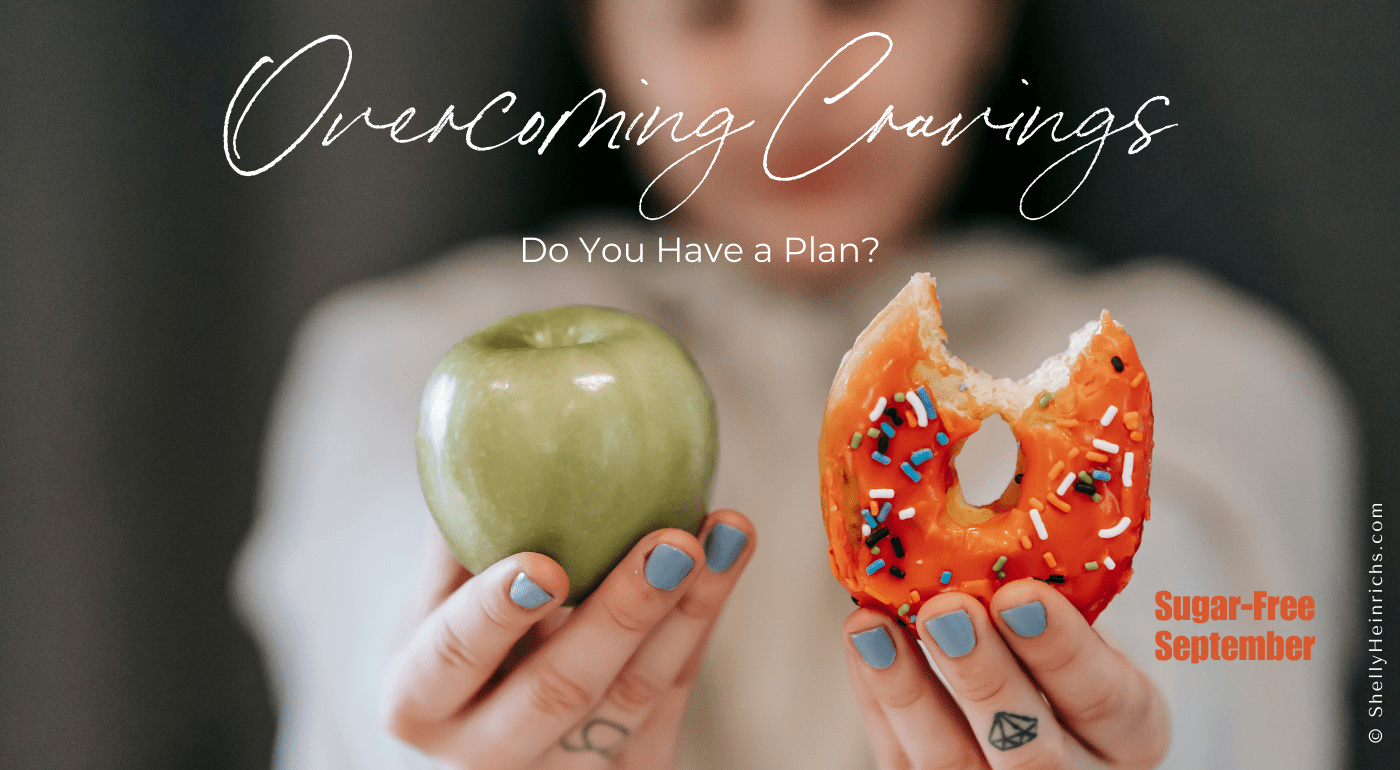
It’s 3pm. You’ve been “good” all day. But now the craving hits.
You need something sweet. You tell yourself you’ll just have one cookie. But one becomes three. Then you’re digging through the pantry looking for anything with sugar in it. And before you know it, you’ve eaten half a bag of candy and you feel like garbage.
Sound familiar?
Here’s what you need to know: sugar cravings are NOT about willpower.
They’re not a character flaw. They’re not proof that you’re weak or broken.
Sugar cravings are a biological response driven by blood sugar imbalances, hormonal chaos, nutrient deficiencies, emotional triggers, and yes, actual addiction.
And the good news? Once you understand WHY you’re craving sugar, you can fix it. Not by white-knuckling your way through life, but by addressing the root cause.
In this post, I’m going to break down the science behind sugar cravings, why they feel so impossible to resist, and the practical strategies that actually work to stop them for good.
Struggling with constant sugar cravings? Join our FREE Skool community, Rooted In Habits where women are learning to break free from the sugar cycle and take control of their eating habits.
Why Do Sugar Cravings Feel So Powerful?
Let’s start with what’s actually happening in your brain when you crave sugar.
When you eat sugar, your brain releases dopamine, the “feel-good” neurotransmitter. This creates a surge of pleasure and reward that your brain remembers and wants to repeat.
Over time, your brain forms neural pathways that associate sugar with pleasure, comfort, and relief. So every time you’re stressed, tired, bored, or sad, your brain says, “I know what will make you feel better! SUGAR!”
This is why sugar cravings feel so urgent and intense. Your brain is literally seeking a dopamine hit.
But here’s the kicker: the more sugar you eat, the more you crave it. Because your brain adapts and needs more sugar to get the same dopamine response. This is how sugar addiction works.
And yes, sugar is addictive. Studies have shown that sugar lights up the same reward centers in the brain as cocaine and other addictive drugs.
So if you feel like you’re addicted to sugar, you’re not imagining it. You probably are.
The Real Reasons You’re Craving Sugar
Sugar cravings aren’t just about brain chemistry. There are multiple factors at play, and understanding YOUR specific triggers is key to overcoming them.
1. Blood Sugar Rollercoaster
This is the biggest one.
When you eat sugar or refined carbs, your blood sugar spikes. Your pancreas releases insulin to bring it back down. But often, it overcorrects and your blood sugar crashes.
When your blood sugar crashes, your body panics and sends out a signal: “I need sugar NOW!”
So you eat more sugar. Your blood sugar spikes again. It crashes again. And the cycle repeats all day long.
This is why you can feel like you’re constantly hungry or craving sweets even though you just ate an hour ago.
The fix: Stabilize your blood sugar by eating protein and fat at every meal and reducing carbs/sugar. When your blood sugar is stable, the cravings disappear.
2. Insulin Resistance
If you have insulin resistance (which many women over 35 do), your cells don’t respond to insulin properly. This means glucose can’t get into your cells for energy, so even though your blood sugar is high, your cells are starving.
And what does your body crave when it’s starving for energy? Sugar.
The fix: Reverse insulin resistance through a lower-carb, whole foods diet. As your insulin sensitivity improves, the cravings will fade.
3. Nutrient Deficiencies
Sometimes sugar cravings are your body’s way of saying, “I need nutrients!”
Common deficiencies that trigger sugar cravings:
- Magnesium (found in leafy greens, nuts, seeds, dark chocolate)
- Chromium (found in broccoli, eggs, meat)
- Zinc (found in meat, shellfish, seeds)
- B vitamins (found in eggs, meat, leafy greens)
The fix: Eat nutrient-dense whole foods and consider supplementing with magnesium if you’re deficient.
4. Not Eating Enough Protein or Fat
Protein and fat keep you full and satisfied. Carbs do not.
If you’re eating a high-carb, low-fat diet (like we were told to for decades), you’re going to be hungry all the time. And your brain will crave quick energy in the form of sugar.
The fix: Build every meal around protein and fat. This keeps you full for hours and eliminates the constant hunger and cravings.
5. Sleep Deprivation
When you’re sleep-deprived, your body produces more ghrelin (the hunger hormone) and less leptin (the satiety hormone). This makes you hungrier and specifically increases cravings for sugar and carbs.
The fix: Prioritize 7-9 hours of quality sleep per night. I know, easier said than done. But it makes a massive difference.
6. Stress and Cortisol
When you’re stressed, your body releases cortisol. Cortisol increases your blood sugar AND increases cravings for sugar and carbs.
This is why you crave ice cream after a stressful day. Your body is seeking comfort and a quick energy boost.
The fix: Manage stress through walking, deep breathing, journaling, meditation, or whatever works for you.
7. Emotional Eating and Habit
Sometimes sugar cravings have nothing to do with physical hunger. They’re emotional.
You’re bored. You’re lonely. You’re anxious. You’re celebrating. You’re sad. And food (specifically sugar) has become your coping mechanism.
Or it’s just a habit. You always have dessert after dinner. You always grab a latte on your way to work. You always snack while watching TV.
The fix: This one takes more work because you have to address the emotional component. We’ll talk about this more below.
Want help identifying YOUR specific craving triggers? Join our FREE Skool community, Rooted In Habits and connect with women who are figuring this out together.
The 3 D’s: My Go-To Strategy When a Craving Hits
Okay, so you understand WHY you’re craving sugar. But what do you do in the moment when a craving hits and feels impossible to resist?
Here’s my simple framework: Drink, Distract, Decide.
1. DRINK
The first thing you do when a craving hits is drink a full glass of water.
Why? Because sometimes what feels like a craving is actually dehydration or thirst. And even if it’s not, drinking water gives you a pause. It interrupts the automatic response of reaching for food.
Add a pinch of salt or a squeeze of lemon if plain water doesn’t appeal to you.
2. DISTRACT
If the craving is still there after drinking water, distract yourself for 20 minutes.
Cravings come in waves. They peak and then they pass. Most cravings will fade if you can just wait them out for 15-20 minutes.
Here’s how to distract yourself:
- Go for a walk (even just around your house or yard)
- Call a friend
- Do a quick chore (fold laundry, unload the dishwasher)
- Read a book
- Do a puzzle or play a game on your phone
- Paint your nails
- Take a shower
- Do some stretching or yoga
The key is to get OUT of the environment where the craving is happening (usually the kitchen) and engage your brain in something else.
3. DECIDE
If the craving is still there after 20 minutes, make a conscious decision.
Ask yourself:
- Am I actually hungry, or is this emotional?
- Will eating this make me feel better or worse in 30 minutes?
- Does this align with my goals?
- Is this worth it?
Sometimes the answer is yes. Sometimes you decide to have the treat and you enjoy it without guilt.
But most of the time, when you pause and really think about it, you realize the craving has passed or you don’t actually want it anymore.
This is the key: You’re not saying “I can never have sugar.” You’re saying, “Not right now. Let me check in with myself first.”
Long-Term Strategies to Stop Sugar Cravings for Good
The 3 D’s work great in the moment. But if you want to stop sugar cravings long-term, you need to address the root cause.
1. Stabilize Your Blood Sugar Through Diet
This is the foundation. If your blood sugar is on a rollercoaster, you will crave sugar. There’s no way around it.
What this looks like:
- Eat protein and fat at every meal
- Reduce or eliminate refined carbs and sugar
- Choose whole foods over processed foods
- Don’t skip meals if you’re hungry (this causes blood sugar to drop and triggers cravings)
- Consider a low-carb or ketogenic diet (this is what worked for me)
When I switched to a low-carb, whole foods diet, my sugar cravings dropped by about 90%. I’m not exaggerating. The constant, all-day stalking by the craving monster just… stopped. If you don’t eat sugar, you don’t crave it. This can take a few weeks.
2. Eat Enough (Especially Protein and Fat)
If you’re restricting calories and eating low-fat, you’re going to be hungry and craving sugar all the time.
Your body NEEDS fat. It NEEDS protein. When you eat enough of these, you stay full and satisfied, and the cravings disappear.
Don’t be afraid of eating butter, eggs, cheese, fatty meat, avocados, and nuts. These foods are your friends.
3. Plan Your Meals
When you have a plan for what you’re going to eat, you’re less likely to reach for sugar when hunger hits.
Meal planning doesn’t have to be complicated:
- Pick 3-5 simple meals you like
- Make a grocery list
- Prep some components ahead of time (cook protein, chop veggies, make hard-boiled eggs)
When you’re hungry and there’s real food ready to go, you’re way less likely to grab a candy bar.
4. Move Your Body
Exercise boosts endorphins (natural mood-lifters) and helps regulate your appetite hormones.
You don’t need intense workouts. Just regular movement:
- A daily walk
- Stretching or yoga
- Dancing in your kitchen
- Lifting weights 2-3 times per week
Movement also helps manage stress, which reduces cortisol-driven cravings.
5. Get Enough Sleep
I can’t stress this enough. Poor sleep DIRECTLY increases sugar cravings.
If you’re only getting 5-6 hours of sleep per night, your cravings are going to be worse no matter what you do with your diet.
Prioritize sleep. Turn off screens an hour before bed. Keep your room cool and dark. Go to bed at the same time every night.
6. Manage Stress
Stress is a huge trigger for sugar cravings. You can eat perfectly, but if you’re chronically stressed, you’re going to crave sugar.
Find what works for you:
- Walking in nature
- Deep breathing exercises
- Journaling
- Meditation or prayer
- Talking to a friend
- Setting boundaries and saying no
Struggling with stress and emotional eating? Join our free community for daily mindset tips and support. [Link to Skool]
7. Address the Emotional Component
This is the hard one. Because sometimes food isn’t about hunger. It’s about comfort, distraction, numbing, celebrating, or filling an emotional void.
If you find yourself eating sugar when you’re stressed, sad, lonely, bored, or anxious, you need to develop other coping mechanisms.
Ask yourself:
- What am I really feeling right now?
- What do I actually need? (Connection? Rest? A break? To cry?)
- How can I meet that need without food?
This takes time and self-awareness. Be patient with yourself.
If you have a history of trauma or deep emotional issues around food, consider working with a therapist who specializes in emotional eating or food addiction.
Can You Ever Eat Sugar Again?
This is the question everyone wants answered.
And the honest answer is: it depends.
Some people can moderate sugar. They can have a small treat occasionally and stop at one serving.
Other people cannot. For them, one bite turns into a binge. One cookie leads to the whole box.
I used to think I could moderate. But I’ve learned that there are certain foods I just can’t have in the house because I will eat all of them. So for those foods, I do my best to abstain. I am not perfect and I do fall back into sugar at times.
You need to figure out which category YOU fall into.
Pay attention:
- Does one bite make you want more and more?
- Do you feel out of control once you start eating sugar?
- Does eating sugar trigger days of cravings and binges?
If yes, abstinence might be easier than moderation.
And that’s okay. There’s no shame in that. Some people can’t have alcohol in their lives. Some people can’t have sugar. It doesn’t make you weak. It makes you self-aware.
What About “Healthy” Sweeteners?
People always ask me about allulose, stevia, monk fruit, erythritol, and other sugar substitutes.
Here’s my take:
They can be helpful in the short term as you’re transitioning off sugar. A keto dessert sweetened with allulose is WAY better than a regular dessert loaded with sugar.
But they can also keep the sweet tooth alive. If you’re constantly eating sweet-tasting foods (even if they’re sugar-free), you’re reinforcing the neural pathways that crave sweetness.
My recommendation:
- Use them sparingly or as a bridge while you’re breaking the sugar habit
- Don’t rely on them long-term
- Pay attention to how they make you feel (some people find they still trigger cravings)
The goal is to retrain your taste buds so you don’t NEED everything to be sweet.
The Bottom Line
Sugar cravings are not a character flaw. They’re a sign that something is out of balance in your body or your life.
When you stabilize your blood sugar, eat enough protein and fat, manage stress, get enough sleep, and address the emotional component, the cravings will fade.
Not overnight. But gradually. And one day you’ll realize you haven’t thought about sugar in hours. Then days. Then weeks.
I remember when I was constantly battling cravings. I felt like I had no control. Like I was a slave to sugar.
And now, when I’m off sugar? I barely think about it. I can walk past a bakery and not even be tempted, well maybe a little, but I know what happens if I give in.
You don’t have to do this alone. Join our FREE Skool community, Rooted In Habits today and get the support, strategies, and encouragement you need to break free from sugar cravings for good. [Link to Skool]
Related Posts You Might Find Helpful:
0 Comments