

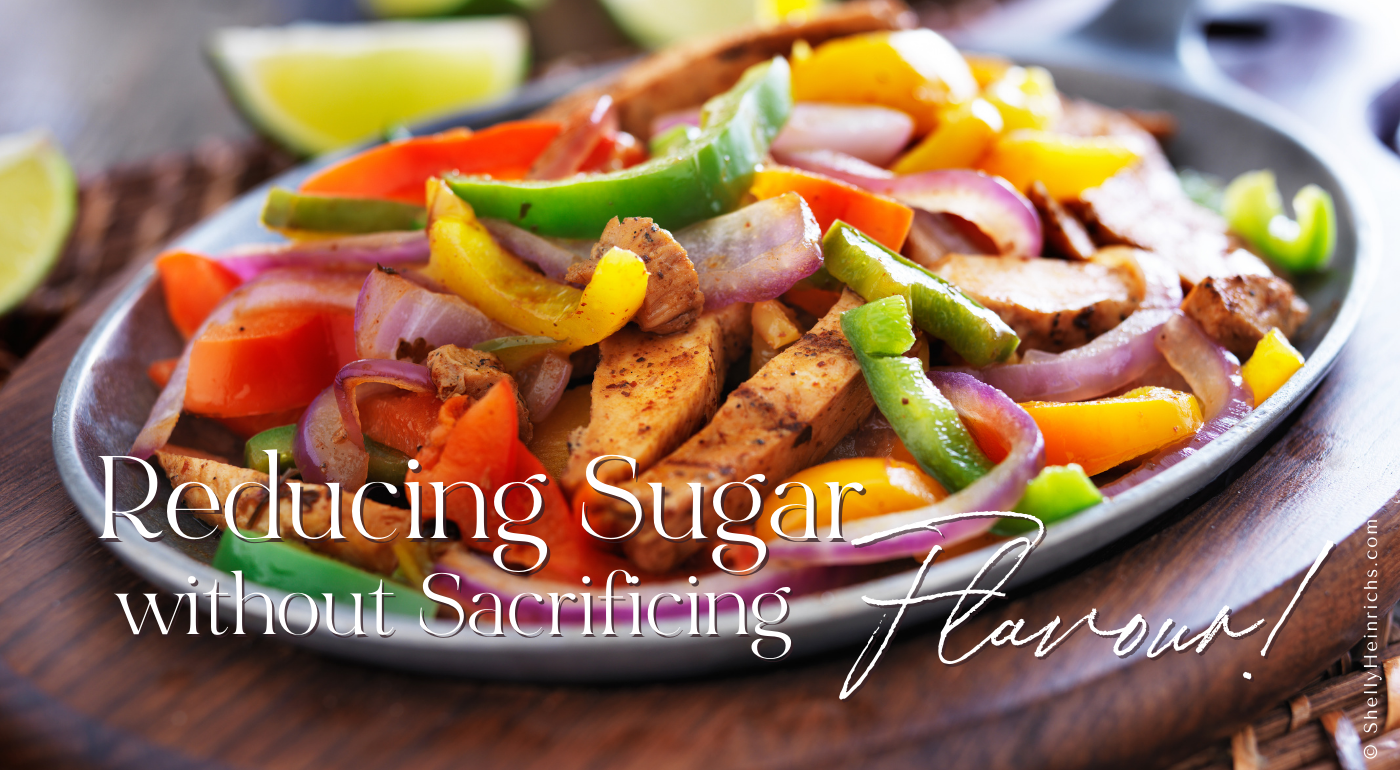
Reducing Sugar Without Sacrificing Flavour!
Reducing sugar intake is a crucial step towards a healthier lifestyle, but it often comes with the worry of losing out on flavour. Many of us associate ‘less sugar’ with ‘less taste,’ making the transition seem daunting. However, it’s possible to cut down on sugar without compromising on your eating experience. This blog aims to debunk the myth that low-sugar diets are bland! I’ll offer practical tips and tasty, low-sugar recipes that will delight your taste buds without the added sugar. Let’s stat you on a journey to better health, one where sugar takes a backseat, and natural, wholesome flavours shine.
Understanding Sugar and Its Effects
Sugar, a simple carbohydrate, is found in many foods, both natural and processed. While natural sugars, like those in fruits and dairy, come with essential nutrients, added sugars in processed foods contribute to a host of health issues. Excessive sugar intake is linked to obesity, type 2 diabetes, heart disease, and even certain types of cancer. By understanding the types of sugar and their impact on our health, we can make informed choices about our diet. Reducing added sugars doesn’t just lower the risk of health problems. It also improves energy levels, stabilizes mood, reduces inflammation, and enhances overall well-being.
Natural Sweeteners For A Healthier Alternative
In our quest to reduce sugar intake, natural sweeteners emerge as a shining solution. Artificial sweeteners often have a chemical aftertaste and potential health concerns. Natural sweeteners like Allulose, stevia, monk fruit, and erythritol offer sweetness without the calories or blood sugar spikes. These alternatives have their unique flavour profiles and health benefits. For instance, Allulose is a rare sugar that is about 70% as sweet as sugar. Stevia is much sweeter than sugar and has no calories, while monk fruit sweetener is known for its antioxidant properties. Erythritol, a sugar alcohol, has a taste similar to sugar but with minimal calories.
When cooking or baking, use these natural sweeteners in place of sugar. However, it’s important to adjust the quantities as they vary in sweetness intensity compared to regular sugar. They also bake differently that regular sugar but are great substitutes – I’ve used them all with success!
Savoury Over Sweet and Rethinking Meal Plans
A fundamental shift in your meal planning can significantly reduce sugar consumption—focus on savoury meals. By emphasizing whole foods like vegetables, quality proteins, and healthy fats, you naturally reduce the need for added sugars. Experimenting with spices and herbs can add an explosion of flavours to your meals, making them deeply satisfying without a hint of sugar. For instance, a sprinkle of cinnamon can add warmth and depth to a dish. Fresh herbs like basil or cilantro can offer a burst of freshness. This approach not only cuts down on sugar but also enriches your diet with a variety of nutrients essential for health. You can retrain your taste buds in as little as 2 weeks!
Understanding and Managing Cravings
Cravings, especially for sugary treats, are often a major hurdle in reducing sugar intake. Understanding the root of these cravings is crucial. They are often driven by emotional factors, habitual eating, or even nutritional deficiencies, not actual hunger. Managing cravings involves a mix of strategies, such as keeping healthy snacks handy, staying hydrated, getting enough sleep. Focusing on balanced meals will help stabilize blood sugar levels. Gradually reducing sugar in your diet allows your taste buds to adapt, making these less sweet foods more enjoyable over time. This will also reduce withdrawal symptoms too. Remember, it’s about progress, not perfection. Occasional indulgences are part of a balanced life – remember my 90/10 rule!
Reducing Sugar With Delicious Recipes!
For me, I gradually reduced the junk foods in my diet which also reduced the sugar. When I was low carb, I jumped to keto without too many issues because I took the time to wean myself off sugar slowly. Past attempts to go cold turkey left me overindulging on junk food to get that dopamine hit. Only you know yourself best and what will work for you. I cannot moderate store bought low carb/keto treats; I want to overindulge in them. When I make my own treats at home, they don’t seem to trigger me to overeat them. I also don’t need that same amount of sweetness as I used to crave.

I’d like to gift you a mini-recipe book of a few of my favourite treats that are simple to make. You can get it HERE.
Reducing sugar intake doesn’t mean you have to sacrifice flavour. By understanding sugar, opting for natural sweeteners, focusing on savoury meals, managing cravings, and trying out delicious low-sugar recipes, you can enjoy a rich, varied diet that’s both satisfying and healthy. Embrace this journey with an open mind and palate. Discover how cutting back on sugar can lead to a more vibrant and energetic life.
There is one more thing I want to touch on with regards to sugar – It’s the highly addictive nature it has. The concept of sugar addiction usually meets with skepticism, but mounting evidence suggests that it’s a real and significant issue. Understanding sugar addiction is crucial in the journey towards reducing sugar intake, as it sheds light on why cutting back on sugar can be particularly challenging for many.
The Science Behind Sugar Addiction
Sugar addiction is rooted in the brain’s response to sugar. When we consume sugar, it triggers the release of dopamine, a neurotransmitter associated with pleasure and reward. This response is similar to what occurs with addictive substances like drugs and alcohol, creating a powerful reward loop. Over time, the brain starts craving this dopamine rush, leading to increased sugar consumption.
Repeated exposure to sugar can lead to tolerance, where more sugar is needed to achieve the same pleasure response. This cycle is characteristic of addiction and can make reducing sugar intake feel like an uphill battle. It’s important to recognize that these cravings are not just a lack of willpower, but a physiological response deeply ingrained in the brain’s reward system.
Identifying Sugar Addiction
Recognizing the signs of sugar addiction is the first step in addressing it. These signs can include intense cravings for sugary foods, eating sugar even when not hungry, and feeling sluggish or irritable without sugar. If these symptoms sound familiar, it might indicate a dependence on sugar.
Reducing Sugar and Breaking The Addiction
Breaking free from sugar addiction is challenging but possible. Here are some strategies that can help:
- Gradual Reduction: Abruptly eliminating sugar can lead to severe withdrawal symptoms like headaches, irritability, and intense cravings. Gradually reducing sugar intake allows the body and mind to adjust slowly. This is the method that worked for me. Others need to do it cold turkey, only you will know what’s best for you.
- Mindful Eating: Being mindful of the food you eat can help identify hidden sugars and understand the triggers that lead to sugar consumption. This awareness is crucial in making conscious, healthier food choices.
- Healthy Alternatives: Replacing sugary foods with healthier options can satisfy cravings without feeding the addiction. Foods high in protein, fiber, and healthy fats are particularly effective as they provide sustained energy and keep you fuller for longer.
- Stress Management: Often, sugar cravings are linked to emotional states like stress or boredom. Developing healthy coping mechanisms for stress, such as exercise, meditation, or engaging in hobbies, can reduce the reliance on sugar for emotional relief.
- Support and Accountability: Overcoming addiction is hard, and having a support system can make a significant difference. Whether it’s friends, family, or a support group, having people to share your journey with can provide encouragement and accountability.
Reducing Sugar – The Road Ahead
Breaking sugar addiction is not just about cutting out a certain food group; it’s about rewiring the brain’s response to sugar. This process takes time and patience. It’s essential to celebrate small victories and be compassionate towards oneself during setbacks. Over time, the intense hold sugar has on your life diminishes, leading to a more balanced and healthful relationship with food. Getting off processed foods is a great place to start. Do it in stages by picking one thing you’re willing to give up. For me, I started with pop/soda and it took a while for the cravings for it to subside. When that didn’t feel like so much of a struggle, I moved onto the next thing.
My latest course can walk you through a transition off highly processed junk foods into a whole foods diet. This is a great place to start. No overwhelm with doing EVERYTHING all at once. Baby steps for success! You can check out the course HERE.
0 Comments