

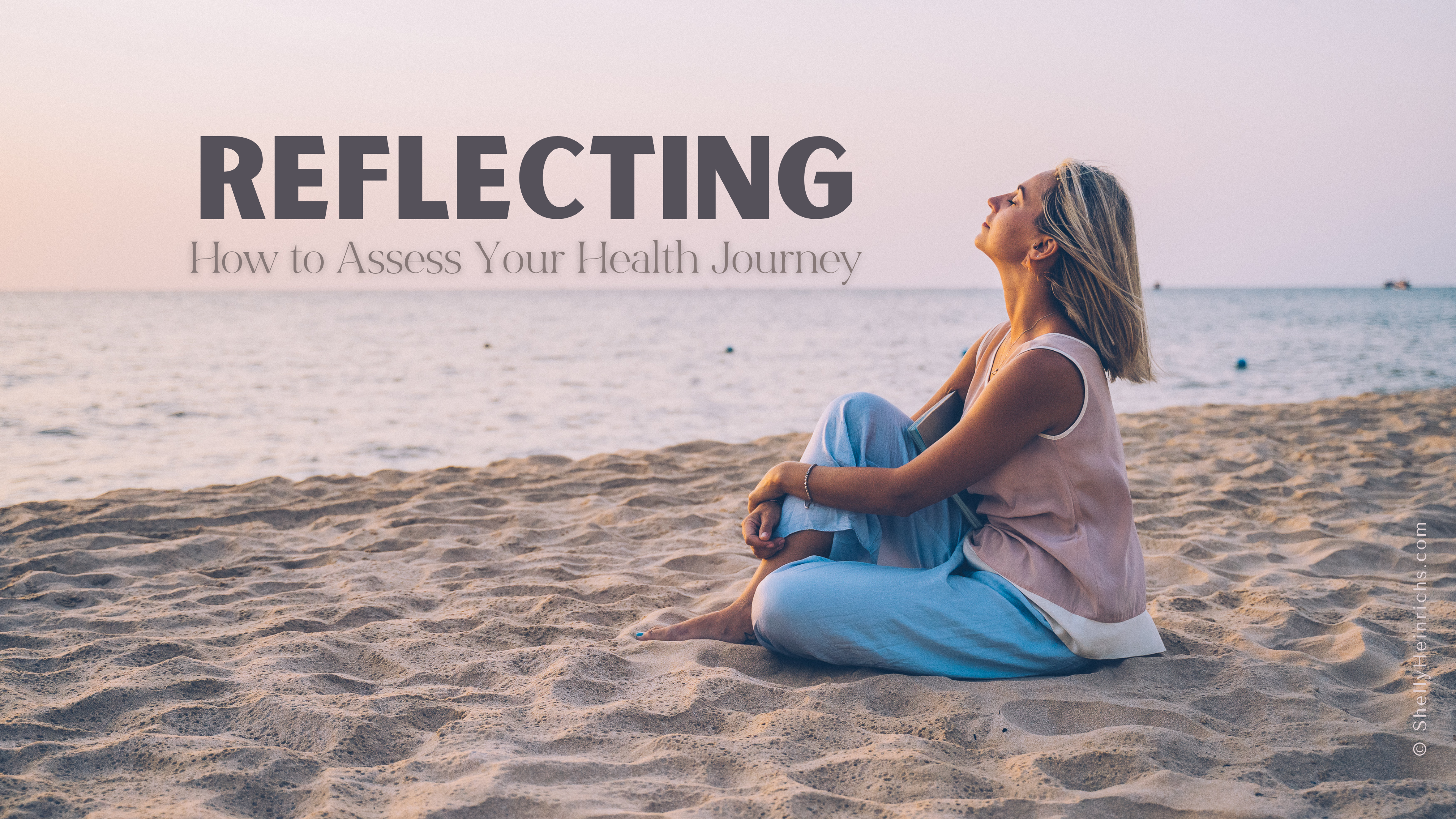
Reflecting? As the New Year approaches, the pressure to jump into the latest diet trend is in full swing. It’s tempting to buy into the “New Year, New Me” mindset and set drastic resolutions—only to find yourself overwhelmed or back to square one by February. But what if this year, instead of rushing into another quick fix, you took a moment to pause, reflect, and understand where you’re starting from and come up with a plan that is doable, one that sets you up for success?
Reflecting is one of the most powerful tools in creating lasting change. Understanding your habits, patterns, and mindset lays a foundation for a personalized plan that works for you. Let’s take a deeper look into why reflecting matters and how you can begin to assess your current health journey
Why Reflecting Matters Before Making Changes
Most diets fail because they offer a one-size-fits-all solution. They don’t take into account your unique body, lifestyle, or history. By reflecting on your current state, you can:
- Identify patterns: Are there certain times of day you’re more likely to snack? Do particular situations trigger overeating?
- Understand obstacles: What’s holding you back? Is it lack of time, emotional eating, or confusion about where to start?
- Gain clarity: Reflecting helps you tune into your body’s needs and what truly works for you.
Taking the time to understand your starting point allows you to create a sustainable plan rather than relying on willpower alone. And as we all know, willpower is a limited resource.
Reflecting on Your Current Health Journey
Reflecting doesn’t require complicated tools or hours of introspection. Here are some simple ways to get started:
1. Assess Your Habits
Take a close look at your daily routines:
- What does a typical day of eating look like?
- Are you skipping meals or relying on processed foods for convenience?
- How often do you prioritize movement or exercise?
Jotting down a food and activity log for a few days can provide eye-opening insights. Remember, this isn’t about judgment; it’s about awareness.
2. Examine Your Mindset
Your thoughts and beliefs about food, weight loss, and health play a significant role in your success. Ask yourself:
- Do I view food as fuel, comfort, or the enemy?
- Am I stuck in an “all-or-nothing” mindset when it comes to dieting?
- How do I talk to myself when I’m not meeting my goals?
Shifting from self-criticism to self-compassion can make a world of difference. Instead of focusing on what you’ve done “wrong,” celebrate what you’ve done right.
3. Identify Patterns and Triggers
Reflect on the moments when you feel most challenged:
- Are you more likely to overeat when stressed or tired?
- Do weekends derail your progress?
- What foods tend to trigger cravings or binges?
Awareness of these patterns can help you develop strategies to navigate them more effectively.
4. Take Note of Wins and Strengths
Don’t just focus on challenges—recognize your wins, too. Maybe you’ve successfully swapped sugary drinks for water, or you’ve started walking daily. These small wins are the building blocks for bigger changes.
Reflecting To Set The Stage For Change
Once you’ve taken the time to reflect, you’ll be better equipped to create a plan that aligns with your unique needs. Here are a few tips to set you up for meaningful and lasting change:
1. Start Small
Ditch the all-or-nothing mentality. Instead of overhauling your entire lifestyle overnight, focus on one manageable change at a time. For example:
- Add one serving of vegetables to your meals each day.
- Set a goal to walk for 10 minutes after dinner.
- Replace one processed snack with a whole food alternative.
These small steps add up over time and feel far less overwhelming than drastic changes.
2. Be Honest About What’s Realistic
Your plan should fit into your life, not the other way around. If meal prepping for the week feels daunting, start by prepping just one meal. If hitting the gym isn’t your thing, find an activity you genuinely enjoy—like dancing, yoga, or hiking.
3. Focus on How You Want to Feel
Rather than fixating on the number on the scale, ask yourself:
- How do I want to feel in my body?
- What does a healthy, energized version of me look like?
When you connect your goals to how you want to feel, they become more meaningful and motivating.
A Gentle Reminder: Progress Over Perfection
It’s easy to get caught up in the pressure of New Year’s resolutions and expect perfection. But true progress isn’t about being perfect; it’s about showing up consistently, even when things don’t go as planned.
- Missed a workout? That’s okay—just get back to it tomorrow.
- Overindulged at a holiday party? It happens—enjoy the moment and make your next meal a nourishing one.
Remember, setbacks are part of the process. Each step forward, no matter how small, is a step in the right direction.
Looking Ahead: Creating Your Personalized Plan
Reflecting is only the beginning. Once you understand your starting point, the next step is mapping out where you want to go and creating a plan to get there. Take some time this week to reflect on your health journey. Grab a journal, pour a cup of tea, and get curious about where you are right now. You might be surprised by what you learn—and how empowered you feel to take the next step.
As the New Year approaches, give yourself the gift of reflecting. Instead of rushing into the latest diet or quick fix, take the time to understand your habits, mindset, and challenges. This self-awareness is the foundation for meaningful change, and it’s the first step toward a healthier, more energized you.
You’ve got this. Small steps lead to big change—and it starts with reflecting and understanding where you’re at today.
0 Comments