

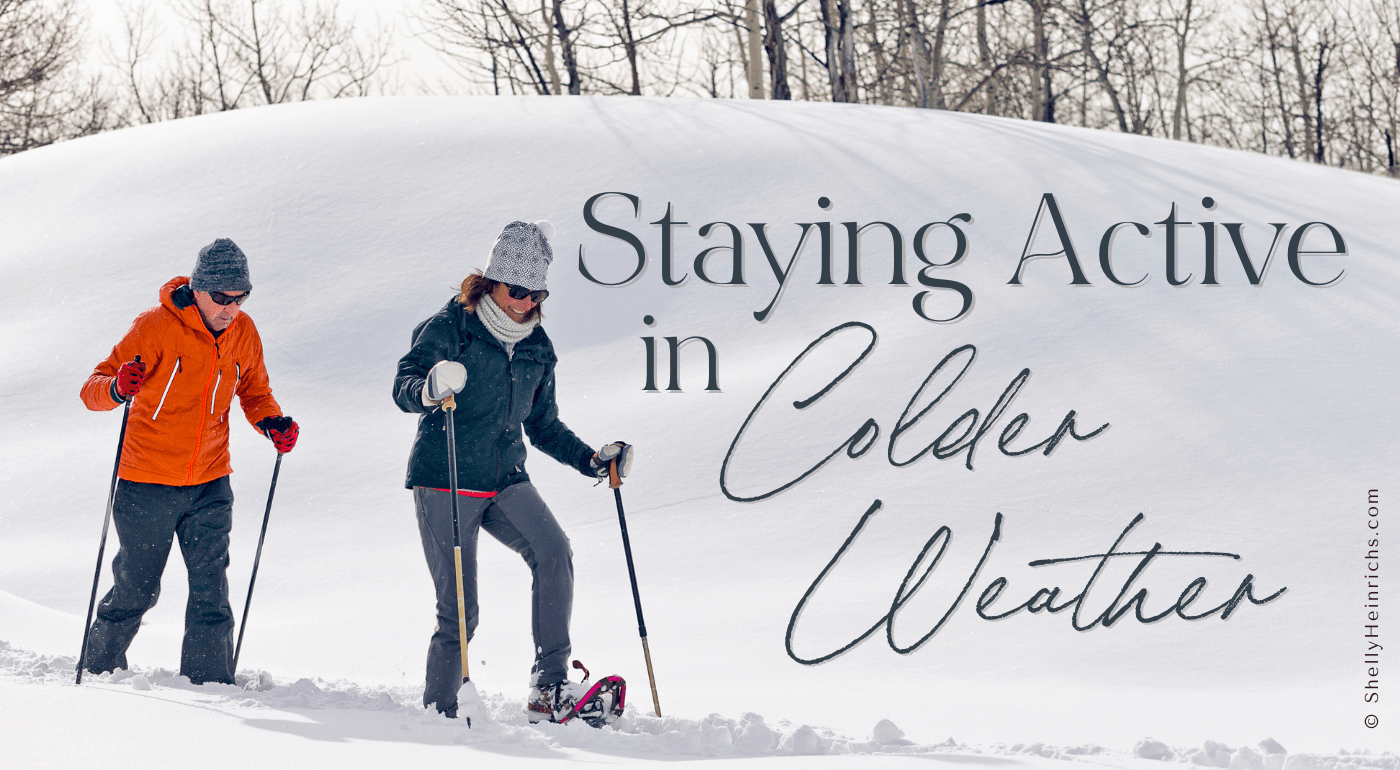
Staying Active in the Winter
As the mercury dips and our winter here on the Canadian Prairies finally sets in, your regular exercise routine can feel like a daunting task. The cozy comfort of home often wins over the thought of venturing out into the cold. However, staying active during the winter months is crucial for our physical health, mental wellbeing, and overall vitality. Let’s explore some practical and engaging ways to keep moving even when the weather isn’t inviting.
Embrace Outdoor Activities:
While it might seem counterintuitive, staying active in winter offers unique opportunities for outdoor exercise that can’t be experienced during other seasons. Activities like brisk walking, jogging, or even cycling can be invigorating in the crisp winter air. Dressing in layers is key – start with a moisture-wicking base layer, add an insulating layer, and top it with a waterproof, breathable outer layer. Don’t forget to protect your extremities with gloves, a hat, and warm socks. If snow is a part of your winter landscape, activities like snowshoeing, skiing, or even building a snowman can provide excellent physical exercise while adding a fun element.
Indoor Exercise Options:
When the weather is too harsh, indoor exercise is a great alternative. Gyms and fitness centers often offer a range of classes that can keep you motivated. From yoga and Pilates to spin classes and strength training, these facilities provide a variety of options to suit different interests and fitness levels. However, if a gym isn’t your preference or isn’t accessible, staying active with home workouts can be equally effective – we have set up a small area in the basement with free weights, a bike and treadmill. Online fitness videos, apps, and even virtual classes offer a ton of choices for at-home workouts. Whether it’s a high-intensity interval training (HIIT) session, a calming yoga flow, or a dance workout, the key is to find something you enjoy so it doesn’t feel like a chore. Check out Youtube for free options!
Set Realistic Goals:
Setting achievable fitness goals during winter can keep you motivated. Whether it’s a step count goal, a certain number of weekly workouts, or a fitness challenge, having a clear objective helps in maintaining consistency. Tracking your progress and celebrating small victories can provide a sense of accomplishment and encourage you to keep going.
Involve Family and Friends:
Exercising with others can increase your motivation and make physical activity more enjoyable. Plan regular indoor or outdoor activities with family or friends. Group activities not only make staying active fun but also provide a social component that can be beneficial for mental health during the isolating winter months. We’re fortunate to be just over an hour away from the world’s largest snow maze and it’s supposed to open at the end of this month. We did it last year and it was a-mazing! If you’re curious as to what that maze is, you can check it out here. Here’s a collage of pictures I took at last year’s maze.
Listen to Your Body:
It’s important to pay attention to your body’s signals. If you feel too cold, tired, or if something doesn’t feel right, it’s okay to take a break or modify your activity. Winter is also a time when colds and flu are more common, so giving your body adequate time to rest and recover when you’re not feeling well is essential.
Stay Hydrated and Eat Well:
Hydration and nutrition play vital roles in maintaining energy levels for physical activity. In winter, we might not feel as thirsty, but staying hydrated is just as important as in warmer months. Likewise, a balanced diet that includes a variety of nutrients will provide the energy needed for staying active.
Winter shouldn’t be a barrier to staying physically active. With the right approach, it can even offer new and exciting ways to keep fit. By embracing both indoor and outdoor activities, setting realistic goals, involving others, listening to your body, and focusing on hydration and nutrition, you can maintain an active and healthy lifestyle throughout the winter season.
Staying Active Helps Circadian Rhythms in Winter
Winter brings with it shorter days and longer nights, significantly impacting our circadian rhythms – the natural internal process that regulates our sleep-wake cycle over a 24-hour period. This disruption can lead to various issues, from sleep disturbances to mood changes. Understanding and managing our circadian rhythms during these months is vital for maintaining overall health and wellbeing.
One of the most effective ways to regulate your circadian rhythm is to get as much natural light as possible, especially in the morning. Exposure to natural light during the day helps maintain a healthy sleep-wake cycle. Even on cloudy days, outdoor light can be significantly brighter than indoor lighting. Staying active can aid circadian rhythms by taking morning walks or simply spending a few minutes outside as soon as you wake up. If you work indoors, positioning your workspace near a window can also be beneficial.
The Importance of Sleep in Circadian Rhythms
Keeping a regular sleep schedule is crucial for circadian rhythm health. Try to go to bed and wake up at the same time every day, even on weekends. This consistency reinforces your body’s sleep-wake cycle and can improve the quality of your sleep. This one tip has been very helpful for me – I keep the same schedule year round!
In the evening, the blue light emitted by screens (like those on smartphones, tablets, and computers) can interfere with the production of melatonin, the hormone responsible for sleep. Limit screen time at least an hour before bed and consider using blue light filters or glasses that block blue light. Also, be mindful of the intensity of home lighting in the evenings. Opt for softer, warmer lights as bedtime approaches.
Your sleeping environment plays a significant role in how well you sleep. Ensure your bedroom is dark, quiet, and cool. Blackout curtains can be particularly helpful to create a dark space, we use them. Additionally, investing in comfortable bedding and a quality mattress can significantly improve sleep quality. We have programmed our thermostat to drop the temperature about 1 hour before bed and keep it at 16C overnight.
What you eat and how you move can also influence your circadian rhythm. Avoid heavy meals, caffeine, and alcohol close to bedtime as they can disrupt sleep. I don’t eat within 3 hours of bed if I can help it. Regular physical activity, preferably earlier in the day, can promote better sleep. However, try to avoid intense workouts close to bedtime as they can be stimulating.
Incorporating relaxation techniques into your evening routine can aid in falling asleep and improving sleep quality. Activities like reading, taking a warm bath, or practicing meditation and deep breathing exercises can help signal to your body that it’s time to wind down.
Self Care & Circadian Rhythms
For those who struggle significantly with the reduced daylight hours, light therapy can be an effective tool. Light therapy boxes mimic natural outdoor light and are used as a treatment for Seasonal Affective Disorder (SAD) and other conditions. They are typically used for 20-30 minutes a day, ideally in the morning.
Managing your circadian rhythm during the winter months involves a combination of staying active, maximizing natural light exposure, maintaining a consistent sleep schedule, being mindful of artificial light, creating a restful environment, paying attention to diet, and relaxation techniques. By adopting these practices, you can help mitigate the effects of the shorter days on your sleep and mood, ensuring a healthier and more balanced winter season.
Healthy Comfort Food Alternatives
Winter often stirs a craving for comfort foods – those warm, hearty dishes that evoke a sense of coziness and contentment. However, traditional comfort foods are typically rich in calories, carbohydrates, and unhealthy fats. For us low carbers, finding alternatives that satisfy these cravings without compromising health is essential as staying active.
It’s important to understand why we crave certain foods in winter. Often, these cravings are linked to a need for warmth and energy, emotional comfort, or even nutritional deficiencies. Recognizing the root cause of your cravings can help in finding the most suitable alternatives.
One effective approach is to reinvent classic comfort food recipes with healthier ingredients. For instance, consider using cauliflower as a low-carb alternative to potatoes in dishes like mashed cauliflower or cauliflower “mac” and cheese. Zucchini noodles can replace pasta in spaghetti, and spaghetti squash is a fantastic substitute for traditional noodles in dishes like lasagna. One new food we’ve been playing with is Daikon radish as a potato substitute for scalloped potatoes. I slice them thin, boil them, and then use as you would potatoes in the recipe. It’s a pretty decent substitute IMO.
Whole Foods and Healthy Fats
Focusing on whole foods is key. Ingredients like meats, vegetables, nuts, and seeds can be used creatively to make satisfying dishes. A beef and vegetable stew, for instance, is both comforting and nutritious. Soups are also a great option, as they can be packed with a variety of vegetables, proteins, and spices. Think yummy comforting crockpot meals!
Incorporate healthy fats into your comfort foods. Avocado, olive oil, nuts, and fatty fish like salmon provide the satiety that is often sought in comfort foods. Preparing dishes with these ingredients can create satisfying meals that are also healthy and align with a low-carb lifestyle. We still eat salads in the winter!
Spices and herbs not only add flavour without the extra calories but also offer various health benefits. Experiment with different combinations to make your dishes interesting and flavourful. For example, turmeric, ginger, and cinnamon not only add a unique taste but also have anti-inflammatory properties.
Planning your meals and preparing them in advance can prevent impulsive eating of unhealthy foods. Meal prepping on weekends ensures that you have healthy options readily available throughout the week. I do my meal planning on Saturday and do the prep on Sunday. It’s so nice having my meals planned out and lunches for the week made.
Staying Active To Boost Immune Health in Winter
Staying active in colder weather is challenging. Winter is often synonymous with cold and flu season, making it more important than ever to focus on boosting our immune system. A strong immune system not only helps in fighting off infections but also ensures overall health and wellbeing. Let’s look into practical and effective ways to enhance immune health during the colder months, aligning with a holistic approach that emphasizes whole foods and lifestyle practices.
The foundation of a strong immune system is a nutrient-rich diet. Focus on incorporating a variety of whole foods that are high in vitamins and minerals. Foods rich in Vitamin C (like citrus fruits, bell peppers, and broccoli), Vitamin E (found in nuts and seeds), and zinc (present in meat, shellfish, and legumes) are particularly beneficial for the immune system. Additionally, including foods high in antioxidants, such as berries and leafy greens, can help combat inflammation and support immune health. Give your body the building blocks it needs to function and fight off germs!
A big portion of the immune system is located in the gut, making gut health crucial for immunity. Foods rich in fibre, such as fruits, and vegetables, promote a healthy gut microbiome. Fermented foods like yogurt, kefir, sauerkraut, and kimchi are excellent sources of probiotics, which are beneficial for gut health. Have you tried making your own yogurt or kefir? This has become one of my new hobbies and it’s easier than you think!
Don’t Forget Sleep!
Sleep is essential for a well-functioning immune system. Lack of sleep can weaken immunity, making you more susceptible to illnesses. Aim for 7-9 hours of quality sleep each night. Establishing a regular sleep schedule and creating a restful sleeping environment can significantly improve sleep quality. This one is also great for keeping cravings at bay.
Staying active doesn’t need to be intense exercise which can be taxing on the body. Moderate and regular physical activity is equally beneficial for the immune system. Activities like brisk walking, cycling, or yoga can help reduce stress and boost immunity. Aim for at least 150 minutes of moderate exercise per week.
Chronic stress can weaken the immune system and increase vulnerability to illness. Engaging in stress-reducing activities such as meditation, deep breathing exercises, or hobbies can help manage stress levels. Maintaining social connections, even if virtual, can also provide emotional support and reduce stress.
Staying hydrated is crucial for overall health, including the immune system. Water helps in the production of lymph, which carries white blood cells and other immune system cells. Aim to drink enough water each day, and remember that soups and herbal teas also contribute to your daily fluid intake.
Excessive alcohol and sugar consumption can impair the immune system. Moderation is key, as is focusing on healthier alternatives when possible.
Mental Wellbeing in Winter
The winter season, with its shorter days and colder weather, can often impact our mental health. Many people experience a dip in their mood, energy levels, and overall emotional wellbeing during these months. It’s crucial to recognize and address these changes to maintain mental health. This section will explore strategies and practices to support staying active and boost mental wellbeing throughout the winter season.
Seasonal Affective Disorder (SAD), is a type of depression that’s related to changes in seasons, typically beginning and ending at about the same times every year. If you’re feeling down during the winter months, it’s important to recognize these feelings and understand that you’re not alone. SAD can be managed with the right approach, which can include light therapy, medication, and psychotherapy. Seek the advice from a qualified medical professional.
Social connections are vital for mental health, especially in winter when we tend to isolate ourselves. Make an effort to stay in touch with friends and family, whether it’s through in-person meetups, phone calls, or video chats. Joining clubs or groups with similar interests can also provide a sense of community and belonging.
Stay active is not only beneficial for physical health but also for mental wellbeing. Regular physical activity can help alleviate symptoms of depression and anxiety. If outdoor activities are not feasible, indoor exercises or joining a fitness class can be effective alternatives.
Self Care & Mindfulness
Practicing mindfulness and meditation can help manage stress, anxiety, and depression. These practices encourage you to focus on the present moment and can be a powerful tool for maintaining mental health in winter. There are many online resources and apps available to guide you through mindfulness and meditation exercises.
Since limited daylight can significantly impact mood, it’s important to get as much natural light as possible. If natural light is scarce, consider using a light therapy box. These devices can simulate sunlight and are particularly effective for people suffering from SAD.
A balanced diet plays a role in mental health. Foods rich in omega-3 fatty acids, such as fish, flaxseeds, and walnuts, can be beneficial for mood. Similarly, fruits, vegetables, and whole grains provide essential nutrients that can positively impact your emotional wellbeing.
A consistent sleep schedule is key to mental health. Going to bed and waking up at the same time every day helps regulate your body’s internal clock, which can improve sleep quality and mood. If you’re struggling with mental health issues during winter, don’t hesitate to seek professional help. A mental health professional can provide you with the tools and support needed to manage your condition.
Personal Empowerment
As I wrap up this blog post, I hope you’ve found some areas of focus that you can work on in your health journey. Staying active in colder months, while presenting unique challenges, also offers an opportunity to focus on self-care, resilience, and personal growth. Knowledge is power, and being informed about how winter affects our health is the first step. But knowledge alone is not enough; it requires action. Every individual is unique, and what works for one person may not work for another. You can take personal responsibility for your health by listening to your body and adjusting your routines as needed. Whether it’s modifying your diet, altering your exercise routine, or finding new ways to stay socially connected, customization is key. Pick one thing and work on that. Remember, small, consistent steps can lead to significant changes.
Finally, celebrate your progress, no matter how small. Every step you take towards maintaining your health during winter is an achievement. Acknowledge your efforts and use them as motivation to continue your health journey.
Embrace a Winter Wellness Challenge
If you’ve made it this far, ‘s time to put all this into action. I encourage you to embrace a ‘Winter Wellness Challenge.’ Here’s how you can start:
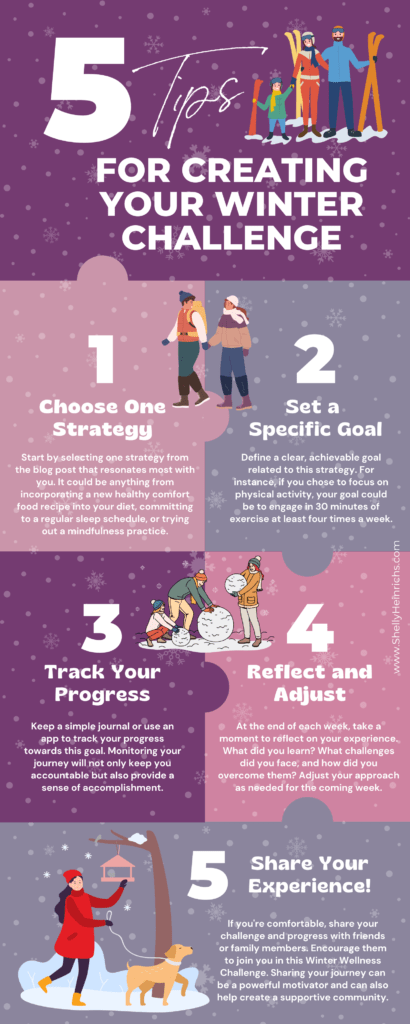
Choose One Strategy:
Start by selecting one strategy from the blog post that resonates most with you. It could be anything from incorporating a new healthy comfort food recipe into your diet, committing to a regular sleep schedule, or trying out a mindfulness practice.
Set a Specific Goal:
Define a clear, achievable goal related to this strategy. For instance, if you chose to focus on physical activity, your goal could be to engage in 30 minutes of exercise at least four times a week.
Track Your Progress:
Keep a simple journal or use an app to track your progress towards this goal. Monitoring your journey will not only keep you accountable but also provide a sense of accomplishment.
Reflect and Adjust:
At the end of each week, take a moment to reflect on your experience. What did you learn? What challenges did you face, and how did you overcome them? Adjust your approach as needed for the coming week.
Share Your Experience:
If you’re comfortable, share your challenge and progress with friends or family members. Encourage them to join you in this Winter Wellness Challenge. Sharing your journey can be a powerful motivator and can also help create a supportive community.
By creating your personal Winter Wellness Challenge, you’re not only taking steps towards a healthier you but also embracing the winter season in a positive and proactive way. Remember, the goal isn’t perfection; it’s about making incremental changes that contribute to your overall wellbeing. So, choose your strategy, set your goal, and embark on your Winter Wellness journey today!
0 Comments