

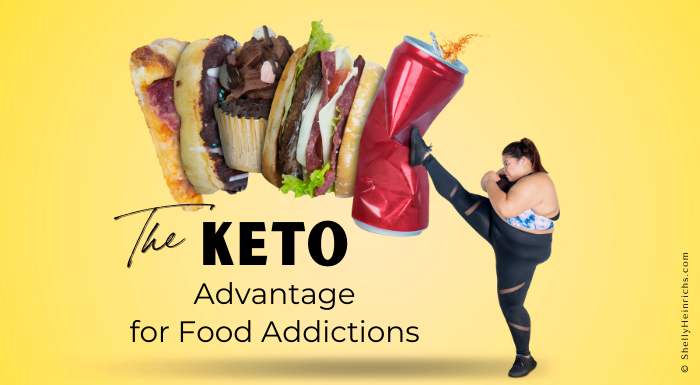
The Keto Advantage for Food Addictions
The keto advantage lifestyle is recognized for its myriad of health benefits, including weight management, metabolic health, and mental clarity. However, one aspect often overlooked is keto’s ability to address food addiction. Food addiction significantly impacts our thoughts, feelings, and behaviors around food, leading to cycles of cravings, overeating, and emotional eating.
My journey with food addiction and binge eating began at a very young age. Back as far as I can remember, I’d hide candy wrappers under my mattress. I’d sneak Christmas baking out of the freezer, one or two pieces from each container. When company arrived, my mom often found empty containers, and no one fessed up. I thought everyone was doing it, turns out it was just my dad and I.
As a teen, food drove me. Every event, outing or family gathering was consumed by what the food would be, how much I could get and so on. I was always on a diet for a week or two and often didn’t make the first day. I’d get to noon or so and then couldn’t take the cravings or the voices in my head telling me to have just one more treat. Fast forward to my 40’s and the health issues start to pile up.
When I found the keto advantage, it literally saved my life. While many see keto as restrictive, I see it as a lifeline. I was able to eat to satiety and get off that blood sugar roller coaster. Those two things made a dramatic difference in how I felt. I was able to successfully get my blood sugars back down out the pre-diabetic range and lose weight. If you struggle food addiction, I hope you’ll read on.
Understanding Food Addiction
Food addiction refers to a compulsive relationship with certain foods, characterized by cravings, loss of control, and negative consequences on physical and mental well-being. While not formally recognized as a diagnosable disorder, research suggests that food addiction shares similarities with substance addiction in terms of neurobiological mechanisms and behavioural patterns.
The prevalence of food addiction has risen in tandem with the availability of highly processed, hyper-palatable foods. These foods, rich in sugar, refined carbohydrates, and artificial additives can hijack reward pathways in the brain, leading to addictive behaviours and difficulty in moderating consumption.
Sugar and Processed Foods as Addictive Substances
Among the most common culprits in food addiction are sugar and processed foods. Sugar, particularly in its refined form, triggers dopamine release in the brain, creating a “reward” response like that of other addictive substances. Processed foods, loaded with sugars, unhealthy fats, and artificial flavours, can also contribute to addictive eating patterns.
The allure of these addictive substances lies in their ability to provide temporary pleasure and comfort, leading to cravings and compulsive consumption. However, this cycle of indulgence often results in guilt, shame, and negative health outcomes.
Impact on Thoughts, Feelings, and Behaviours
Food addiction can profoundly influence how we think and feel about food. It can lead to obsessive thoughts about certain foods, feelings of guilt or shame after overeating, and a constant cycle of restriction and over-induldging. These behaviours are often unrelated to genuine physical hunger but driven by emotional triggers and the addictive nature of certain foods.
Breaking free from food addiction requires a holistic approach that addresses both the physiological and psychological aspects of addictive eating patterns. The keto advantage offers a promising lifestyle strategy by promoting abstinence from addictive substances, stabilizing blood sugar levels, and redefining our relationship with food.
The Keto Advantage and Reduced Hunger
Ketosis is a metabolic state where the body shifts from primarily using glucose for energy to utilizing ketone bodies, derived from fat breakdown. This shift occurs when carbohydrate intake is restricted, prompting the liver to produce ketones as an alternative fuel source. In ketosis, blood ketone levels rise, signalling the body’s reliance on fat metabolism.
Benefits of Stable Blood Sugar Levels
One of the key points of keto advantage is its role in maintaining stable blood sugar levels. By minimizing carbohydrate intake, ketogenic eating prevents the rapid spikes and crashes in blood glucose associated with high-carbohydrate meals. This stability helps regulate appetite and reduces cravings, particularly for sugary and processed foods.
Increased Satiety
Ketogenic meals, rich in healthy fats and moderate in protein, promote increased satiety and prolonged feelings of fullness. Unlike high-carbohydrate meals that can lead to hunger shortly after consumption, the keto advantage provides sustained energy and reduces the urge to snack or overeat. This increased satiety contributes to a more balanced and controlled approach to eating, an essential for managing food addiction triggers.
Counteracting Food Addiction Triggers
By stabilizing blood sugar levels and promoting satiety, the keto advantage acts as a buffer against food addiction triggers. The reduced hunger and cravings experienced in ketosis can help individuals break free from the cycle of compulsive eating. Emotional triggers associated with addictive foods are broken. This shift in metabolic fuel sources supports a more mindful and intentional approach to food choices, focusing on nourishment and well-being rather than immediate gratification.
The keto advantage lifestyle, emphasizes whole, nutrient-dense foods and metabolic adaptation. As a result, fat metabolism provides a unique opportunity for individuals struggling with food addiction to regain control over their eating habits. By addressing the root causes of addictive eating patterns and promoting metabolic flexibility, ketosis offers a path to long-term health and sustainable behaviour change.
The Keto Advantage for Blood Sugar Stability and Energy Levels
Maintaining stable blood sugar levels is crucial for managing food addiction and preventing the “hangry” feeling associated with blood sugar fluctuations. The keto advantage promotes stable blood sugar. This happens by reducing carbohydrate intake and relying on fat for fuel. As a result, this stability minimizes cravings, mood swings, and energy crashes often experienced with erratic blood glucose levels.
Improve Insulin Sensitivity with The Keto Advantage
Ketosis enhances insulin sensitivity, enabling cells to efficiently utilize glucose and maintain steady blood sugar levels. This improved insulin response reduces the risk of insulin resistance, a common precursor to metabolic disorders like type 2 diabetes. As a result of optimizing insulin sensitivity, the keto advantage supports long-term metabolic health and prevents blood sugar imbalances.
Sustained Energy from Fat Metabolism
One of the hallmarks of the keto advantage is its ability to provide sustained energy levels from fat metabolism. Unlike carbohydrate-dependent energy, which can lead to energy spikes and crashes, ketone bodies offer a consistent and steady source of fuel. This sustained energy prevents the urge to reach for sugary snacks or processed foods to alleviate energy dips, supporting a more stable and balanced approach to eating.
Buffer Against Cravings and Emotional Eating
Stable blood sugar and sustained energy from fat metabolism act as a buffer against cravings and emotional eating. By avoiding blood sugar spikes and crashes, individuals on a ketogenic diet experience fewer cravings for addictive foods. This reduction in cravings allows for greater control over food choices. This stability also helps break the cycle of emotional eating triggered by fluctuating blood glucose levels.
The keto advantages’s focus on blood sugar stability, improves insulin sensitivity. This stability and sustained energy from fat metabolism provides a solid foundation for managing food addiction. As a result, promoting a balanced relationship with food. By addressing the factors that contribute to addictive eating patterns, ketosis offers a sustainable approach to overcoming cravings, stabilizing mood, and well-being.
Practical Tips for Ketogenic Success and Addressing Food Addiction
- Prioritize Whole, Nutrient-Dense Foods: Focus on whole foods, quality meats and healthy fats like avocado, olive oil, butter, and ghee. Add vegetables, nuts, seeds, and a few fruits. Avoid processed foods, sugary snacks, and refined carbohydrates that trigger addictive eating behaviours. Eliminate added sugars. Read food labels carefully, learning to identify hidden sugars. As a result, you’ll choose low-carbohydrate alternatives.
- Incorporate Mindfulness Practices: Practice mindful eating by paying attention to hunger cues. Use habits such as chewing slowly and savoring each bite. Embrace mindfulness techniques like deep breathing and meditation to manage stress. As a result you will ease emotional eating triggers.
- Seek Professional Support: Consult with a healthcare professional or nutritionist familiar with the keto advantage to develop a personalized plan. Consider therapy or counselling to address underlying emotional factors contributing to food addiction.
- Stay Consistent and Patient: Commit to a consistently ketogenic lifestyle. As a result your body will adapt to the keto advantage and experience its full benefits. This can take 6 to 8 weeks or more, it’s uniquely individual. Be patient with yourself and acknowledge that breaking free from food addiction is a process that requires dedication and perseverance.
Follow these practical tips and adopt a ketogenic approach focused on whole, nutrient-dense foods! As a result, you will successfully defeat food addiction. Cultivate a balanced relationship with food. Consistency, mindfulness, and professional support with the keto advantage are key factors. You’ll achieve long-term success in managing cravings, stabilizing blood sugar, and promoting overall well-being.
In Conclusion:
The keto advantage offers a multifaceted approach to addressing food addiction. It manages hunger, stabilizes blood sugar levels, and promotes overall well-being. Understanding the impact of addictive substances like sugar and processed foods on your thoughts and behaviours around food. Thereby you’ll be able to take proactive steps to break free from unhealthy eating patterns.
It’s essential to approach the keto advantage lifestyle with a holistic mindset, incorporating practical tips, mindfulness practices, and professional support. By doing so, you’ll navigate the complexities of food addiction more effectively. In staying consistent, patient, and committed to self-care, you will experience transformative benefits like ketosis. As a result, with the keto advantage, you’ll embrace a healthier, more fulfilling way of eating.
You too can embark on this journey towards wellness, mindful nourishment, and freedom from food addiction. With dedication, perseverance, focusing on holistic well-being, you will unlock the full potential of the keto advantage. And in doing so, you’ll enjoy a life of vitality.
0 Comments