


Intermittent Fasting – what is it?
Intermittent fasting (IF) has become very popular in the last few years with good reason! There are many benefits to intermittent fasting, along with extended fasts (up to 72 hours) that allow the body to heal, repair and help you with weight loss.
When following a low carb ketogenic lifestyle, intermittent fasting comes naturally after you’ve become fat adapted (usually 6 – 8 weeks in). You’ll know you’re ready to fast because you will naturally feel less hungry and can easily delay eating without any effort. If you are struggling or white-knuckling it, your body isn’t ready. You should not force fasting of any sort if you are feeling ill. Intermittent fasting isn’t hard if your body is ready.
Signs you are NOT ready for Intermittent Fasting
 If you start to feel nauseated, light headed, dizzy, break your fast. The stress of feeling sick is not worth it. This should feel natural and “enjoyable” not like a punishment. You may want to take some electrolytes and wait 15 minutes to see if the feeling passes. If not, break your fast. Sometimes we can feel “off” if our electrolytes are out of balance. You can make your own electrolyte supplement here or buy one without any added sweeteners or extra flavours (more on that below!).
You may also not be fat adapted yet, which will make fasting harder than it needs to be. Sure you can fast while following any way of eating during your eating window, but its soooo much easier if you are fat adapted. Your body easily switches over to burning body fat instead of glucose for energy and you feel great! Intermittent fasting shouldn’t feel miserable. You can also have excellent results following a low carb diet and practicing intermittent fasting. And before you get your panties in a bunch and tell me that your best friend’s, mother’s 3rd cousin eats whatever and practices Intermittent fasting without any problem, I’ll just say that they are a special unicorn 😉 . My experience with clients has been very different.
Choose easy over hard, go low carb!
So … how many calories do break a fast?
Well, sadly, technically consuming any calories will break your fast. While you may remain in ketosis, many studies are showing that the benefits of autophagy may be reduced or halted. If you are looking for the maximum benefits of autophagy, then a water-only fast is the best bet.
If you are fasting to lower your blood glucose and insulin, water-only fasting is where I’d recommend staying. Even a small amount of calories that don’t raise your blood glucose, can still raise insulin, especially sweeteners. Your brain tastes sweet and thinks food is coming so it secretes insulin in response. When no food arrives, your blood sugar drops leaving you feeling hungry.
Some say even black coffee can mess with a clean fast. It’s very much an individual choice and very dependant on your specific health and what benefits you are hoping to achieve with intermittent fasting. You may be able to test your blood sugar when fasting, consume coffee with a sweetener and then retest your blood sugar. If you see a noticeable drop, you may have had an insulin response.
If you are successfully Intermittent fasting and haven’t been diagnosed with insulin resistance, pre-diabetes or type 2 diabetes, you may even be able enjoy coffee with heavy cream and a sweetener with very little issues. Many drink a ‘bulletproof’ coffee for breakfast and then have two meals later in the day and have no issues because they are not insulin resistant.
Some use the bulletproof coffee or bone broth as a crutch to get in longer periods of not eating. Again, you need to decide what’s best for you and not follow what your bestie is doing. We’re all unique with different health issues and body compositions. While I promote water only fasts for best results, you’ll never find a 100% yes or no for anything health related so It’s important for you to do what works for you!
Here are a few tips to start intermittent fasting: 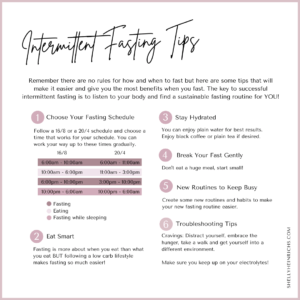
0 Comments